



MMXXVI~originally published 1st July 2026
771 words
⛁ ⛂ ⛃
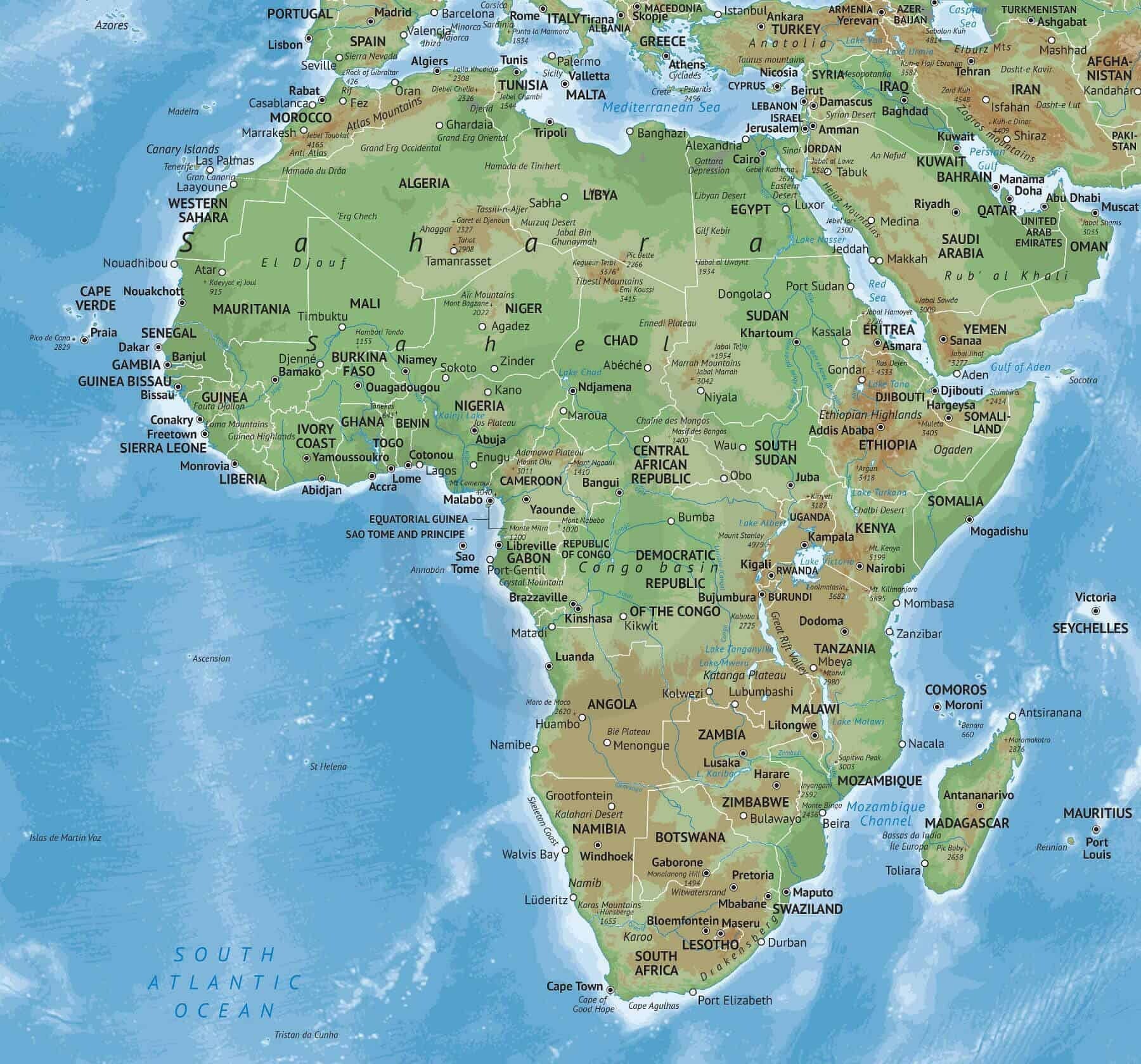
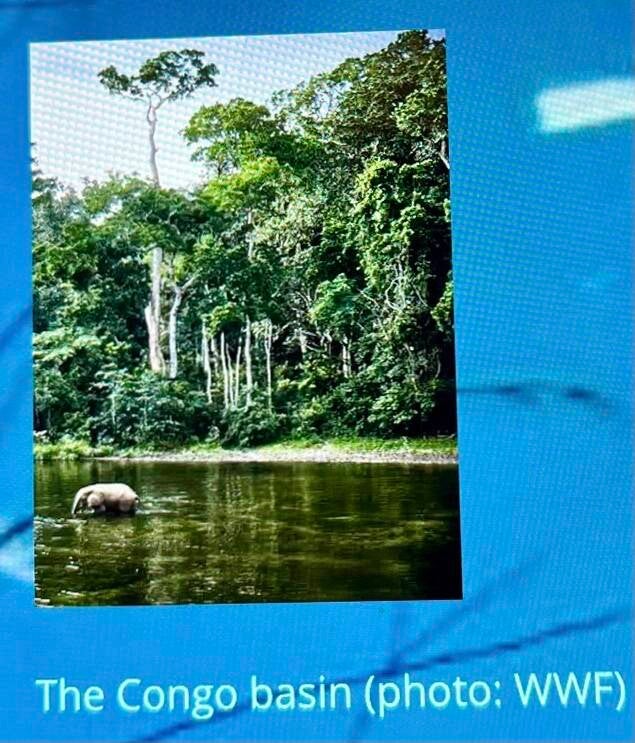
Many people with a slightly hazy grasp of the newer and smaller states of southern and Central Europe tend to mix up the two “S”s – “Slovakia” and “Slovenia”, so you can probably lay odds that outsiders get just as confused about the existence of “two Congos” in sub-Saharan Africa. Adding to the name quandary is the fact that the distinct states are geographically contiguous with each other, plus they share a (border) river and a rainforest. Both Congos{a} have French as the official language and also share a number of the local tongues, especially the Lingala language, and both self-reference with the demonym “Congolese”.
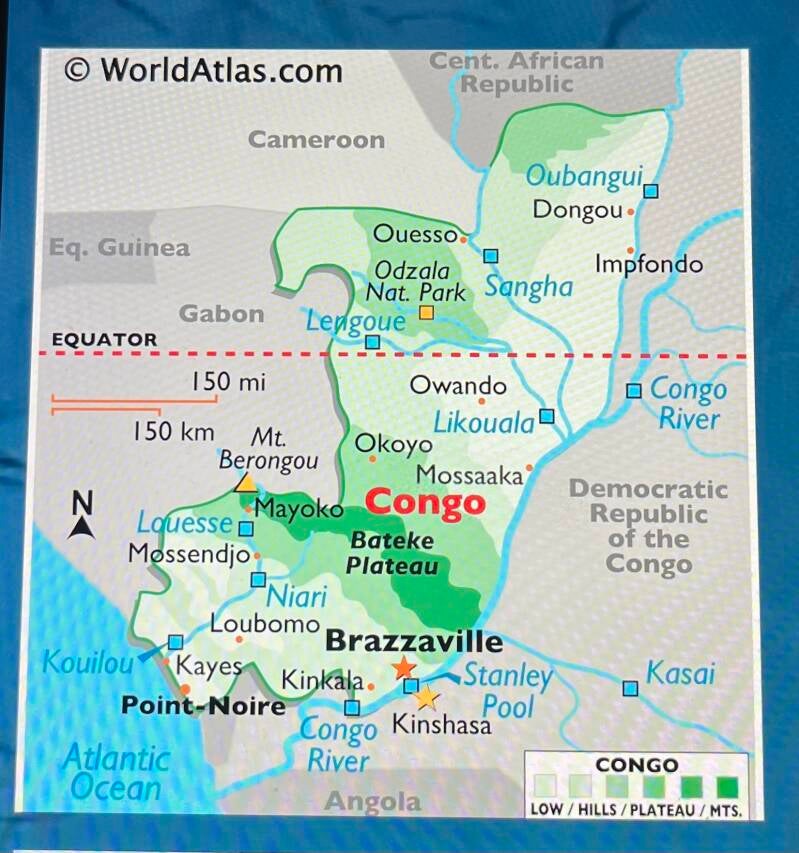
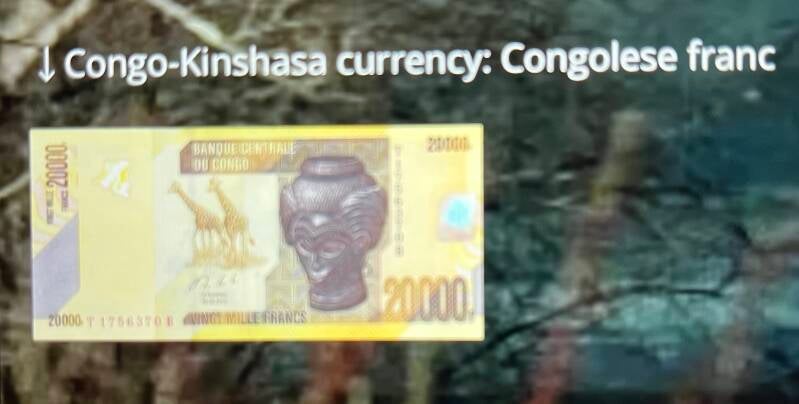
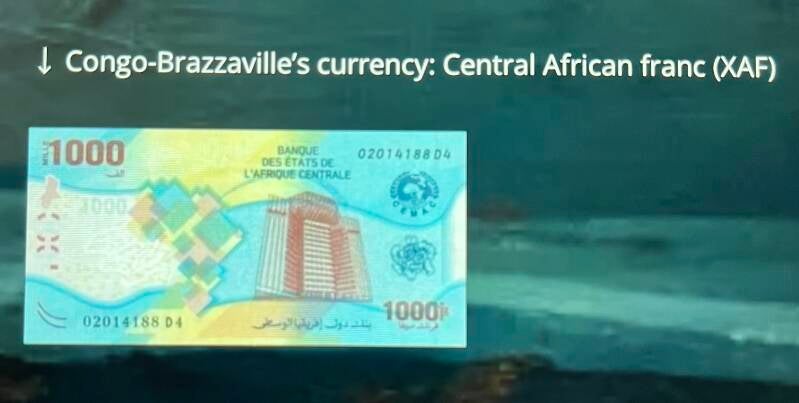
So, these commonalities contribute to the blurring of this brace of Congos, but what are the differences that separate the two mid-continent countries? The “Congo” to the west is officially called the Republic of Congo, although the shorthand descriptor commonly used is simply “Congo”. The people living there themselves prefer the name “Congo-Brazzaville”. To the east is the adjoining state that World Cup football commentators and pundits currently like to call “DR Congo” for short. Officially, the Democratic Republic of Congo—which doesn’t necessarily make the “Republic” of Congo any less democratic, or necessarily any more democratic for that matter!—or away from the 2026 soccer showcase, simply “DRC”. It’s people prefer to call the country “Congo-Kinshasa”…the significance of “Kinshasa”{b} and “Brazzaville” is that these are the respective names of the republics’ capital cities (which coincidentally eyeball each other, being perched on either side of the Congo River – the two closest capitals by distance anywhere on the globe).
The most readily observable difference between the two Congos lies in demographics and physical scale. Congo-Brazzaville is seven-times smaller in size than its neighbour…at 2,345,000 km Congo-Kinshasa is the second largest country by area size in Africa after Algeria. Population discrepancy follows a similar pattern, Congo-Brazzaville has a population of six-and-half million with low density per head, against Congo-Kinshasa’s masses numbering more than 116 million.
The dark past
As with almost every single modern state in Africa, both Congos have a colonial past. The Republic of Congo, in the midst of the late 19th century “Struggle for Africa” was a French colony from 1891 (called Moyen or Middle Congo) until achieving independence in 1960. The Democratic Republic, on the other hand, was a Belgian colony – or more precisely, under a quirky legal arrangement in 1885, the private property of Belgium’s “Black Prince” of a monarch, Leopold II, before reverting to colonial status in 1908. DRC gained independence in 1960, just six weeks before its neighbour. Five years later, after ultra-corrupt Seko Mobuto took power in Kinshasa, the dictator renamed the country “Zaire”{c} to avoid confusion with the much smaller Congo.
National politics
Political instability, the plague of the underdeveloped Third World, has been an ongoing concern for both Congos. During the Cold War ideological alignment took them in differing directions – Zaire/DRC gravitated towards the West while Congo-Brazzaville came under Eastern bloc influence. Civil wars and coups have visited upon both states over the years of independence, although since the 1990s the Republic of Congo has achieved much greater stability in governance than Congo-Kinshasa [‘Republic of Congo And Democratic Republic of Congo, How To Differentiate Them?’, Découvrir Le Congo, www.expeditions-ducret.com].
DRC’s classic parador
Congo-Brazzaville is significantly endowed with natural wealth, especially petroleum, natural gas, timber and copper, but it doesn’t match the wealth in the ground held by Congo-Kinshasa. The latter is over-abundantly rich in precious minerals, holding >60% of the world’s cobalt plus vast deposits of coltan (both essential in the production of smart phones), it is the largest producer of copper on the continent as well as being rich in gold, diamonds and tin. But blighted by decades of poor leadership, conflict and corruption, a staggering amount of the mineral wealth remains untapped, leaving the DRC's population, trapped and lingering as one of the poorest countries in Africa.
▟▛▟▙▙▙▙▟▟▙▛▜▙▙▟▛▛▜▟▙▙▟▟▙▛▜▙▙▟▛▛▜
{a} “Congo’s” nomenclature derives from “Bakongo”, the name of the Bantu people who have occupied the region for thousands of years
{b} formerly Léopoldville
{c} upon Mobutu’s overthrow in 1997 the state reverted to its present name
01 July 2026
Create Your Own Website With Webador