
Italy vs Japan, the Fallout from Italy’s Defection from the Axis Tripartite Alliance
⇧ Italian Concession in Tianjin


24 Oct 2026 10:33 pm
⇧ Italian Concession in Tianjin
18 Oct 2026 11:16 pm
Artist’s impression of post-greyhounds Wentworth Park (image: City of Sydney) ↓
13 Oct 2026 8:37 pm
Plant and Page, Led Zeppelin in concert, 1975 (photo: Laurance Ratner/Wireimage) ⍗
30 Sept 2026 10:39 pm
663 words
28 Sept 2026 10:20 pm
(above) Finnish machine gun crew and (R) captured Soviet tanks in 1939–40 Winter War
22 Sept 2026 10:13 pm
⇓ Europe, 1923 (GW Bacon map)
21 July 2026 5:34 am
MMXXVI~originally published 10th June 2026
12 Sept 2026 10:55 pm
New Guardsman Francis de Groot, under arrest for illegally cutting the ribbon at the opening ceremony of the Sydney Harbour Bridge, preempting Premier Lang (1932) ⇩
7 Sept 2026 11:32 am
⬅︎ Gerardus Mercator
⧬ Beagle Channel (source: ushuaiatravel.com)

820 words
🇦🇷 🇺🇳 🇨🇱
What brought the governments of Argentina and Chile—two military junta regimes with a shared disdain for the values of parliamentary democracy—to the absolute brink of war in the late 1970s? Well, it all began with a poorly conceived treaty, lacking in clarity and bereft of maps, supposedly meant to demarcate the southern boundary between these two South American nations. After independent deliberation, the 1881 Treaty of Limits assigned three strategically placed rocky islands, Picton, Lennox and Nueva (henceforth the PLN group), situated to the south of the Beagle Channel, to Chile. Initially the Argentinians accepted, or at least, didn’t contest Chilean sovereignty over the PLN group, but in 1904 Argentina raised a formal claim on them, linking it to its control of southern Patagonia. Attempts at negotiation of the Beagle dispute were ongoing and proved unfruitful. For Buenos Aires the issue continued to simmer without being resolved to its satisfaction.
Concurrent with the conflict, Argentina and Chile both laid claims to another uninhabited tiny speck of land in the Beagle Channel, Snipe Islet (Islote Snipe). In a move to assert control and aid navigation, in 1958 the Chilean Navy built a small lighthouse on Snipe. In response the Argentine Navy blew up the lighthouse and in its place installed its own one plus the Argentinian flag. This tit-for-tat pattern was repeated in the ensuing months. Despite a military buildup by both countries, a truce was arrived at, all lighthouses removed and the flashpoint passed.
Third party intervention and the primacy of maritime jurisdiction
The failure of direct negotiations over the Beagle islands sovereignty continued into the early 1970s, at which time Santiago and Buenos Aires agreed to submit their dispute to international arbitration under the patronage of Queen Elizabeth II of Britain. The five appointed judges from the Court of the Hague in 1977 ruled that the PLN group belonged to Chile, a decision rubber-stamped by the British Crown. The long arbitration process came at a time when the International Law of the Sea was being formulated (UNCLOS, 1982) and its radical rethink on maritime boundaries heavily influenced the Beagle Channel conflict, “shifting a simple 19th-century island dispute into a high-stakes battle over vast oceanic resources and strategic maritime pathways”. The Court ultimately endorsed the principle that “the land dominates the sea", ruling that whoever holds sovereignty over a piece of land inherently possesses the adjacent territorial waters (200–mi exclusion zone)🅰️ (‘Beagle Conflict’, Peter van Aert, Island Studies Journal, Vol. 11, No. 1, 2016, pp. 307-314).
Exclusive “Atlantic lake” vs freedom of navigation
In coming down on the side of Santiago, the Court rejected a key doctrinal pillar of the Argentinian position – its reliance on a geopolitical interpretation of regional custom, principio bioceánico, which dictated that Argentina should exclusively influence the Atlantic and Chile the Pacific. The Court found no real grounds for acceptance of an “Oceanic” principle, internationally unrecognised in maritime law (‘Dispute between Argentina and Chile concerning the Beagle Channel’, Reports of International Arbitral Awards, 18 February 1977, VOLUME XXI pp.53-264), http://legal.un.org).
The Vatican fireman to the rescue
Argentina, not surprisingly given the depth of its commitment to the cause, did not accept the neutral umpire’s decision. With negotiations at a dead-end, the situation spirally dangerously and rapidly towards war, culminating in December 1978 in the Argentinian junta pressing the button on Operación Soberanía (Operation Sovereignty), the military invasion of territory disputed with Chile. The invasion was narrowly averted at the 11th hour when Pope John-Paul II offered to personally mediate between the two warring Catholic neighbours🅱️. The Vatican, having secured from Argentina and Chile a commitment not to resort to force to settle the conflict, put in place a six year-plan for resolution. With the junta still in power in BA progress was slow, however Argentina’s unwise decision to invade the Falkland Islands in 1982 leading to a disastrous, comprehensive defeat at the hands of Britain, opened the door to regime change. The new, democratically elected civilian Argentinian government led by Raúl Alfonsin—a president with the flexibility to compromise and the will to end the protracted dispute—smoothed the way for a successful outcome. Democratic Argentina acquiesced to Chilean sovereignty over the PLN group of islands, a deal the Vatican made more palatable for Argentinians by an acceptable trade-off, the granting of extensive economic, fishing and navigation rights to Argentina in the adjacent maritime space and the limiting of Chilean economic maritime zones in the Atlantic Ocean (Treaty of Peace and Friendship, 1984).
⬒⬓⬔⬕⬓⬒⬒⬓⬔⬕⬓⬒⬒⬓⬔⬕⬓⬒⬒⬓⬔⬕⬓⬒⬒⬓⬔⬕⬓⬒⬒⬓⬔⬕⬓⬒⬒⬓⬔⬕⬓⬒
🅰️ ramifications of the evolving Law of the Sea transformed the nature of the Beagle conflict, the stakes were now exponentially much higher, eg, valuable oil and mineral rights, maritime access toward Antarctica (‘Beagle Channel Dispute’, Louise Angélique de La Fayette, Oxford Public International Law, Upd. June 2009, https://opil.ouplaw.com)
🅱️ working through a Papal special envoy as direct mediator


⦽ Juan-Pablo II – the peacemaker
⦽ Argentinian soldiers prepare for war



Image: Black Women of Brazil

Statue of Quilombolas warrior-hero Zumbi, in Salvador, Brazil

788 words
﹅﹆﹅
Historical records amply document the horrors of slavery, and in particular the African transatlantic slave trade and its piteous victims’ harrowing journey and harsh life in servitude. We’ve read about the plight of Africans trapped in captivity, made to toil in inhuman conditions at the hands of slave owners in the New World, but a chapter less told concerns those slaves who not only manage to escape but actually succeed in establishing their own free and autonomous communities, even if not permanently.
Runaway slaves from the dehumanising life on plantations and in domestic servitude has always been a phenomenon, but some of these runaways managed to establish their own societies. The most famous of these settlements in the Americas was in Alagoas, Brazil, called Quilombos dos Palmares❶. This breakaway settlement of escaped slaves (Quilombolas, also called “Maroons”❷) and native Americans was remarkable for both its longevity and the significant size of its population. The Palmares settlement lasted from 1605 until its suppression in 1694, during this period the Maroons resisted numerous assaults on their independent stronghold from both the Dutch and the Portuguese colonisers.
Several factors enabled the Quilombolas to resist the wrath of the technologically superior Europeans for so long. The fugitives’ hinterland settlements were located in remote mountainous and densely forested terrain, difficult to penetrate. The structure of the Quilombos facilitated its defence – rather than offering a single, central target for the enemy, it functioned as a confederation of up to ten distinct settlements/hideouts (mocambos). Militarily, it possessed formidable, purposeful leadership in the figures of Ganga–Zumba and later Zumbi dos Palmares. The latter, a skilled strategist, waged an adaptive, “bushland guerrilla warfare” against the Portuguese to exhaust their campaigns, and then ambush and counterattack them…combined with the erection of strong fortifications to guard the Palmares villages. Quilombos dos Palmares benefitted from an expanding population, estimates of which vary but at its peak possibly reaching up to 20,000 people…a synthesis of Africans, Amerindians, crioulas (Brazilian born blacks), mulattos (mixed race African and European) in common cause. The Quilombolas formed a collective economy based upon subsistence agriculture, livestock, internal trade, and communal land ownership, while raiding plantations and sugar mills to replenish supplies and secure new recruits. That the Dutch and Portuguese colonial powers saw the Palmares “state” as a genuine threat to the imperial order can be gauged by their determination to take the Quilombos stronghold…between 1654 and 1678 in excess of 20 (unsuccessful) assaults were attempted Portuguese colonisers were hell-bent not only on destroying Palmares but also on erasing all trace of its existence for fear that “it would incite future slave rebellion” (Quilombo dos Palmares: Brazil’s Lost Nation of Fugitive Slaves, by Glenn Cheney (2014), Edward Shore, Not Even Past, www.notevenpast.org).
Refugee communities of African slaves in the Americas outside Brazil were also prevalent. One such predating Palmares occurred in 16th century Spanish Panama, where over a period of 60 years thousands of enslaved Africans (the Cimarron, from cimarrones) made their escape from captivity and formed their own self-governing communities. The Cimarrons’ stronghold was in the Isthmus of Panama, here under the leadership of their “king”, Bayano❸, the African fugitive community built palanques (heavily fortified settlements) in the dense mountainous jungles. From this favourable base the Cimarrons launched periodic raids on Spanish mule trains transporting gold and silver as well as freeing other enslaved Blacks. Over a three-year period in the 1550s the Cimarrons thrice repulse assaults on their stronghold by the Spanish aggressors. The ongoing resistance by the Cimarrons led them in the 1570s to ally with Sir Francis Drake, providing invaluable assistance to the English privateer in his campaign of harassment and plunder against the common adversary, Spain. Many other palanques were established in Mexico, Guatemala, Columbia and elsewhere in the Spanish American Empire by African slaves escaping bondage, but none proved as successful as that of the Cimarrons in Panama.
Footnote: For many descendants today, the historic Quilombos represents a powerful cultural and political symbol of their aspirations and their fight for justice, but there is a need to caution against being too sanguine about the breakaway African societies of past centuries. The downside side presents a more nuanced picture: the reality was that some quilombolas closed their ranks to newcomers, returned runaways to plantations and even kept slaves themselves (in order to co-exist with European colonists) eg, Jamaican Maroons, Ganga–Zumba in Brazil (‘The romanticism of history’, Greg Scruggs, Africa Is a Country, 28 April 2025, www.africascountry.com).
ᗜᗜᗜᗜᗜᗜᗜᗜᗜᗜᗜᗜᗜᗜᗜᗜᗜᗜ
❶ the word Quilombos, from the Kimbundu word kilombo, literally means “war camp”.
❷ “Maroon” comes from the Taino word simara, meaning “wild”, “savage”, “gone astray”
❸ counterpart in Panama to Jumbi in Quilombos dos Palmares


Ex-slave trader Francis Drake ⇑ Spanish plunder mule trail ⇑

16 Aug 2026 9:45 pm
⍐ “Eyes down”: 1960s bingo “excitement” in Britain

Published 17th July 2026
730 words
🇵🇦 🇵🇦 🇵🇦
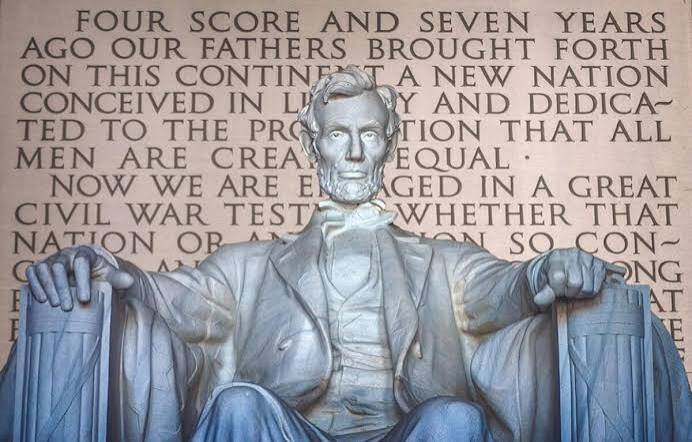
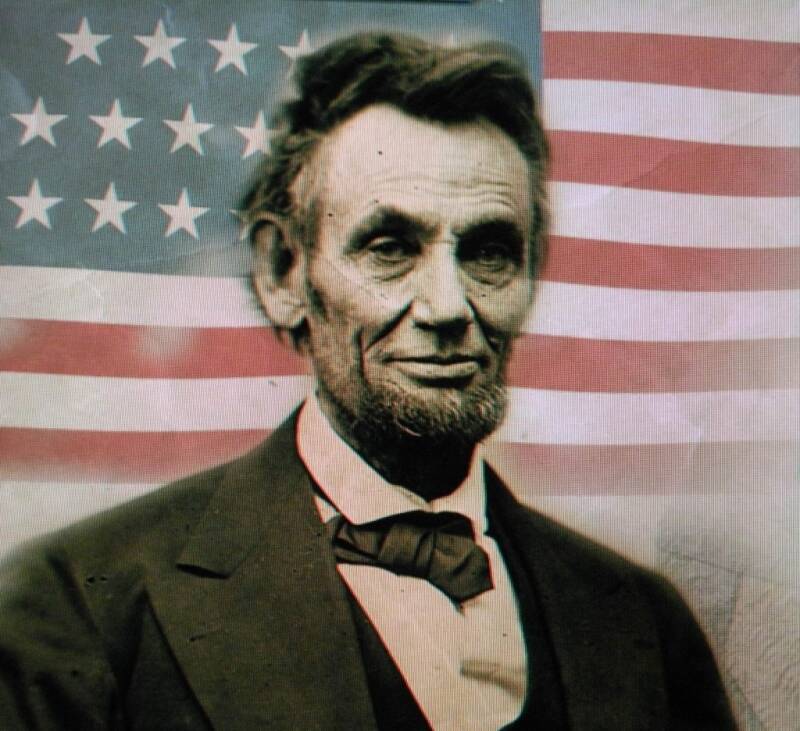
Abraham Lincoln is nobly etched in the annals of US history as the great emancipator of African-Americans – the president who declared on January 1, 1863, that all enslaved individuals in the Confederate states "are, and henceforward shall be free." But looking beyond the act of emancipating coloured Americans Lincoln had other ideas for the ultimate and definitive solution to this long, unhappy chapter of American history.
It is widely known that despite initiating the Emancipation Proclamation, a recognition that black people were entitled to basic natural rights, “Honest Abe” did not believe they were the equal of whites in social or political status (though he did modify his views somewhat over the course of the civil war to acknowledge “intelligent colored men…capable of thinking as white men”). Stretching back into the ante bellum period Lincoln supported the American Colonization Society, a controversial group which aimed to relocate freed Black Americans to colonies in Africa, such as Liberia—a movement dating back to the 1820s—the purpose being to eliminate the social conflicts of a racially-mixed society.
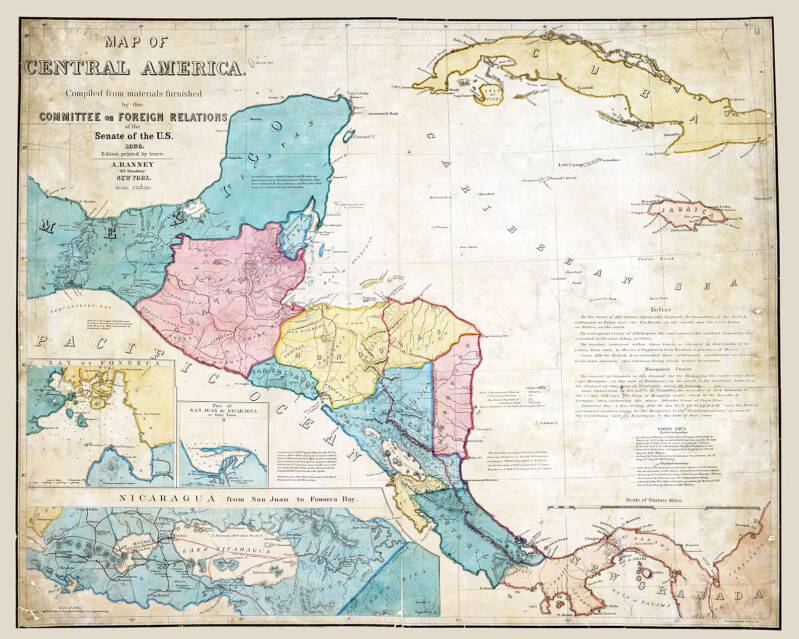
With this mindset Lincoln was open to a workable resolution of the “problem”. In 1861 a Philadelphia businessman Ambrose W Thompson proposed to the president a “fix”, involving the relocation of freed slaves to a new colony on land held by Thompson in the Chiriquí province of Granadian Confederation (what is now western Panama). The proposal was that the black freemen could live better lives than was possible in the US and work in the numerous coal mines in Chiriquí. In 1862 Lincoln invited a “Deputation of Free Negroes”—prominent black leaders including Frederick Douglass—to the White House to try to “sell” them on the Panama concept (to be called “Lincolnia”), however the group flatly rejected the idea, re-emphasising their right as free citizens of the US to remain in America. Similarly, white abolitionists were resolutely indisposed towards the plan.
The coal connexion
For his part, Thompson was motivated by financial self-interest – holding a title to the Central American province’s coal-rich lands the entrepreneur could envisage highly profitable returns for himself…facilitated by the labour of translocated former slaves mining the abundant coal deposits to be sold by Thompson under contract to the US Navy. Kansas Senator Samuel C Pomeroy was to organise the settlement. With allegations of corruption swirling round the issue Lincoln authorised an investigation into the Chiriqui lands by the Smithsonian Institution which revealed that the coal there was worthless. Other impediments surfaced, Costa Rica claimed ownership of part of Thompson’s land and the government of New Granada (now Colombia) objected, asserting that the US scheme breached its national sovereignty (‘Lincoln’s Panama Plan’, Rick Beard, New York Times, 16 August 2012, www.archive.nytimes.com).
Lincoln quickly abandoned the Panama project without any emigration families ever being transported, but not the notion itself. He turned his focus to other potential locations identified by opportunistic developers. He authorised the experiment of sending 453 free blacks to “Cow Island” off the coast of Haiti to live and work on a cotton plantation, but this ended in unqualified failure. The suitability of Liberia was momentarily revisited but dismissed on the grounds that it was considered too great a distance to relocate a large number of freed slaves. Not long before his assassination Lincoln had switched to talking about moving the “whole colored race of the slave states into Texas” (‘Lincoln to Slaves: Go Somewhere Else’, Hparkins, National Archives: Pieces of History, 01 December 2010, https://prologue.blogs.archives.gov/). Ultimately overshadowing the idea of exporting the slaves to ensure social harmony were pragmatic considerations of the war. Lincoln’s Emancipation Proclamation opened the door to a swelling of the Union”s military manpower with the addition of 200,000 coloured soldiers and sailors, which proved vital to the eventual victory of the North, effectively bringing an end to the foreign colonisation projects.
Jeffersonian precedent
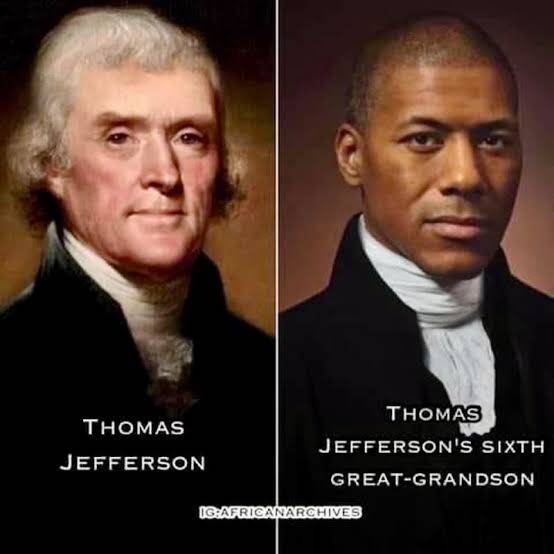
Abraham Lincoln was not the first US president to advocate an exit plan for emancipated coloured slaves. Thomas Jefferson, himself a slaveholder owning hundreds of enslaved blacks, opposed slavery (in principle) and proposed that slaves be gradually freed and then forcibly deported to colonies outside of the US, favouring the Caribbean or (a return to) Africa as the preferred destinations. Like Lincoln, Jefferson justified his position on the belief that enslaved African-American people could not live in peace with white people.
Source: coolkidsfacts.com
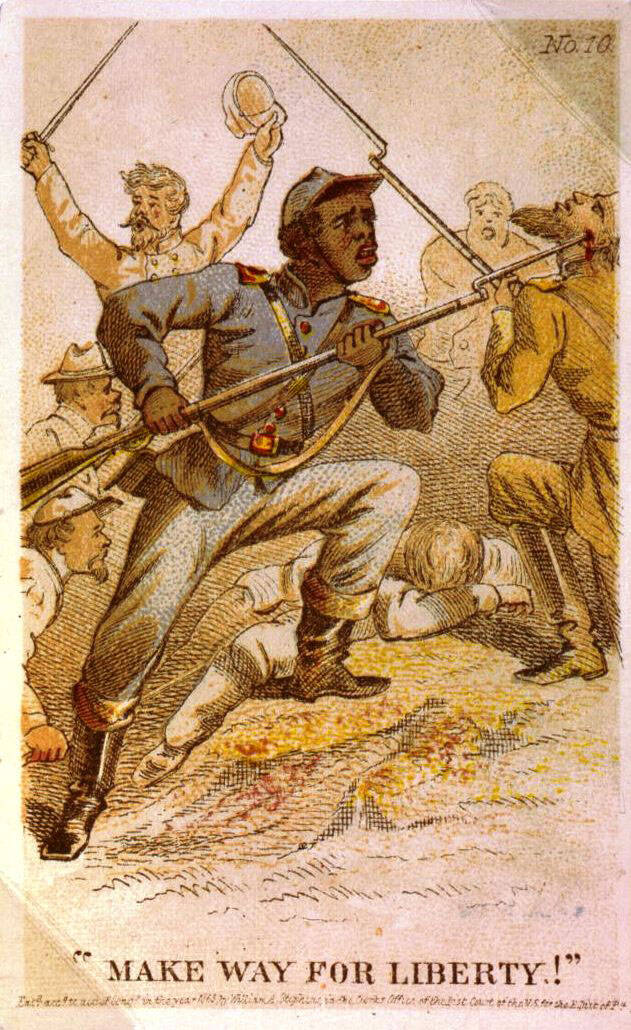
Source: Western Reserve Historical Society
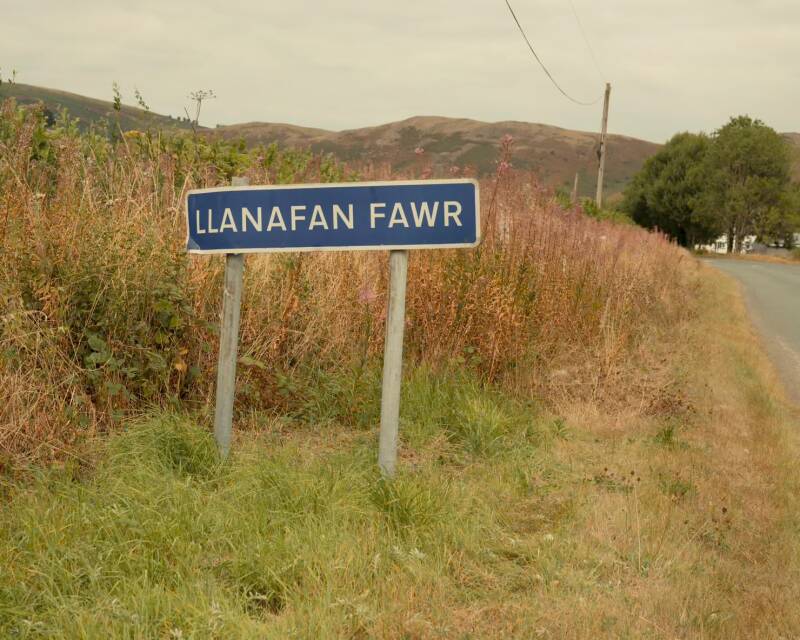
Llanafan Fawr, a white segregationist enclave in irenic Wales? (photo: The Guardian)
America, forward and onward? All that was 170 years ago but if you doomscroll through today’s news and social media platforms you’d have to very seriously question whether America—and not just America—has truly progressed on the issue of racial tolerance. Far-right white separatists/ supremacists in Arkansas are restricting residency in a place called “Community 1” to heterosexual Christians who are white and can prove European heritage…toxic bigotry fuelling a “whites-only” enclave in the Ozarks hellbent on forging a racially-exclusive settlement and now being exported across the globe to, for instance, Wales, whose like-minded exclusionists burn with desire to “resegregate society“ in line with their acquired prejudices (US ‘whites-only’ towns spread to Wales”, Iona Cleave, The Telegraph 14 July 2026, www.telegraph.co.uk/
🏷🏷🏷🏷🏷🏷🏷🏷🏷🏷🏷🏷🏷 16 July 2026
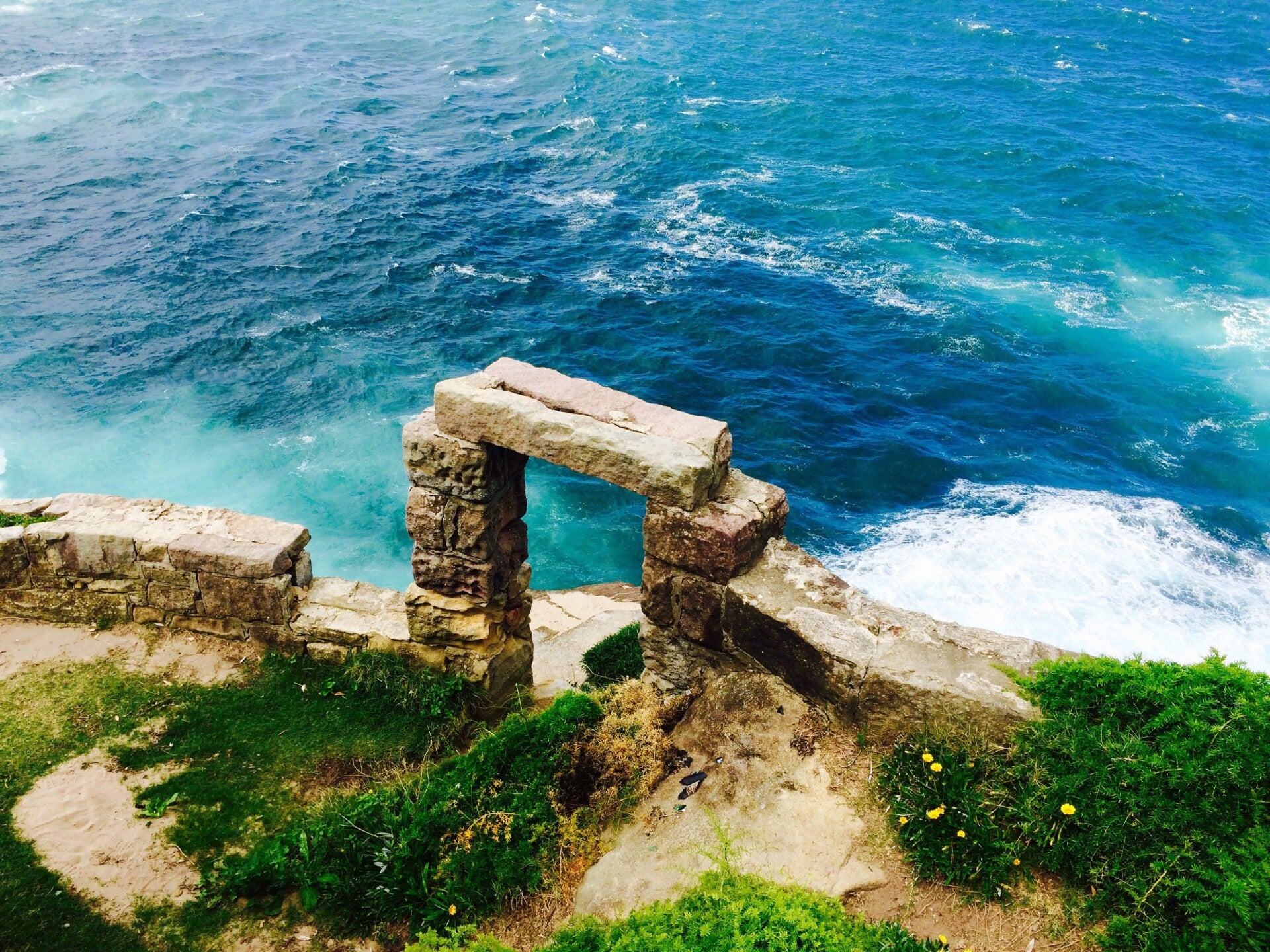
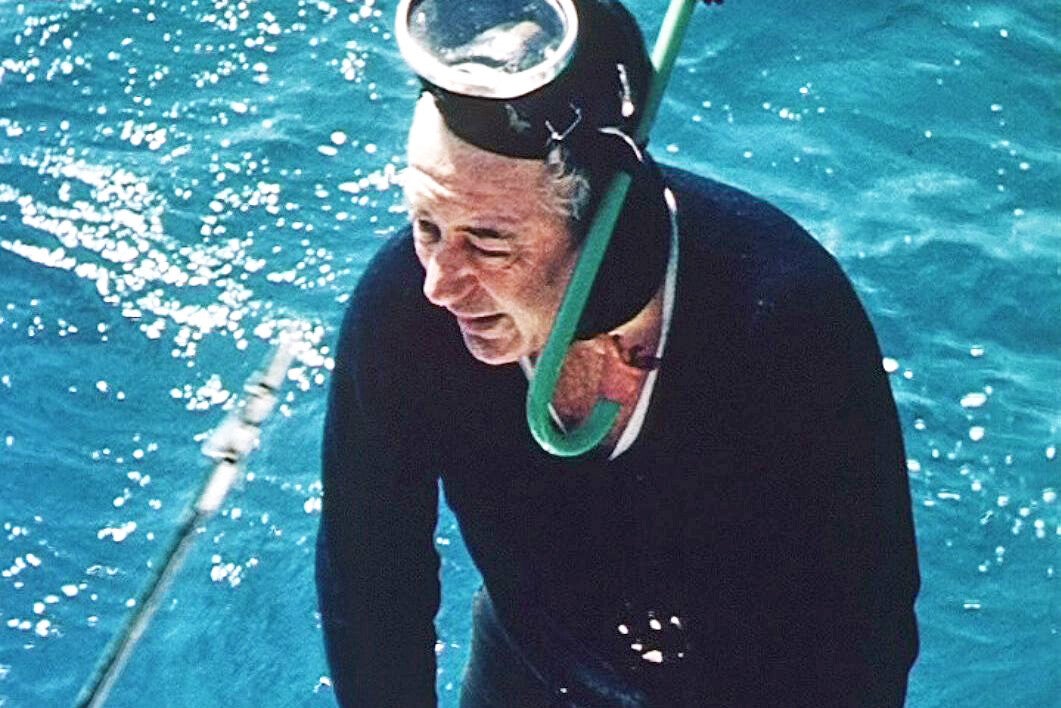
H Holt, swallowed up by the deep blue off Melbourne?

Welcome to Mondo Blogo, your destination for unusual and captivating stories. Dive into history, geopolitics, art, and more, all from a unique perspective. We're here to spark your curiosity and broaden your horizons. Join our community of explorers.
19 July 2026 10:54 am
MMXXVI: Originally published 7th May 2026

Maurice Sagoff’s 1971 Shrinklits book (2nd edition, 1980) pioneered the literary genre of “Terse Verse”
MMXXVI~originally published 13th May 2026
675 words
Are you someone with a hankering for an inkling of what the classic works of literature are about but don't fancy the Herculean task of trying to wade through 783 pages of Ulysses or the 24 books of the Iliad? Then maybe taking a journey into the realm of the Haiku, the traditional Japanese abridged form of poetry, is for you. The Japanese have been knocking out these miniature poems comprising three unrhymed lines with a 5, 7, 5 syllable structure for centuries. The Haiku’s emphasis on simplicity of style and evocation of nature and the four seasons is well-illustrated by Japanese master Matsuo Bashō’s “The Old Pond”:
An ancient pool,
A frog jumps in
The sound of water.
Seventeen syllables to meditate by, but the Haiku concept is not confined to the East, westerners have cottoned on to the possibilities of the Haiku form, hence it's adaptation to the Western canon of literature. The Haiku has attracted many of the cream of modern American literati, illustrious names like Robert Frost, William Carlos Williams, Richard Wright and ee cummings have had a stab at it. Come the 1970s and the Haiku gave inspiration to Maurice Sagoff, a little-known Massachusetts editor, who coined the term “shrink lit” to describe his idiosyncratic, unique collection of terse light verse (Shrinklits: Seventy of the World”s Towering Classics Cut Down to Size). Sagoff downsizes many of literature’s great tomes, reducing them to humorous, light in tone, condensed poetic summaries, a textual reductio ad absurdum. The eclectic collection ranges from Antigone to Beowulf to The Hobbit to Portnoy’s Complaint to The Communist Manifesto. Sagoff’s ‘Shrinklits’ don’t adhere to the 5–7–5 formula so they really don’t fit in the category of the Haiku, though in their brevity and spirit they certainly draw inspiration from the Japanese short form. Edgar Allan Poe’s The Raven is rendered thus:
Raven lurches
In, perches
Over door.
Poet’s bleary
Query—
“Where’s Lenore?”
Creepy bird
Knows one word:
“Nevermore”.
The Victorian classic Alice in Wonderland, after Sagoff’s scalpel got through with it, made the “adventurous” Alice seem like she was experiencing a Sixties psychedelic trip:
Holed up
With bunny,
Pre-teen
Acts funny.
Aberrations –
Hallucinations –
Wild scenes –
Tarts, Queens,
Clearly, she
Needs therapy.
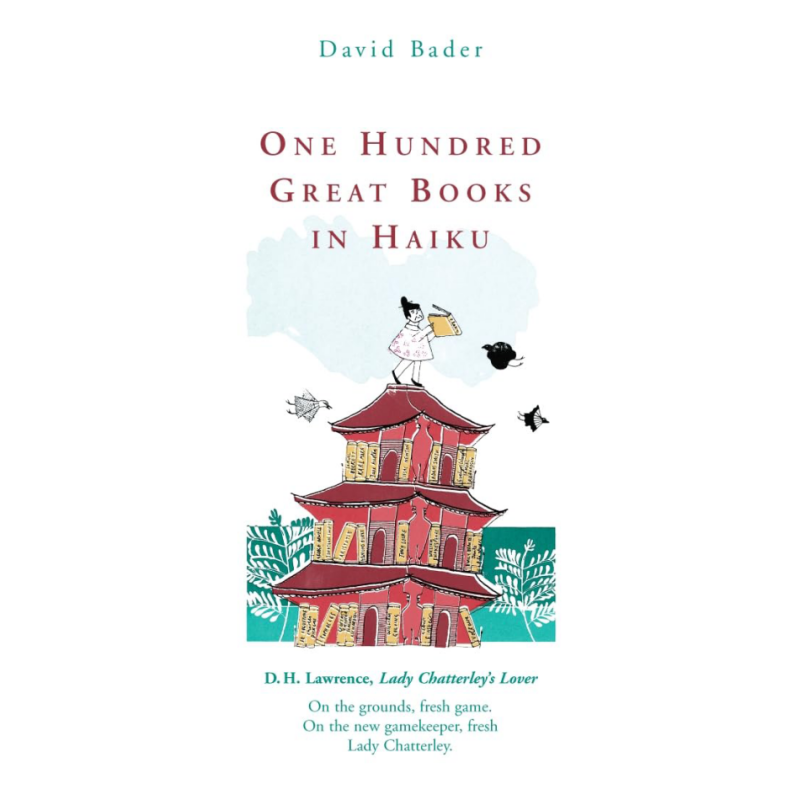
Following upon the Sagoff prototype came New York attorney-turned-writer David Bader who took up the cause of shrink lit creativity with even more minimalist effect. The result: One Hundred Great Books in Haiku, which executed a highly inventive, irreverent and rollickingly funny hatchet job of a take on many of English lit’s revered classic masterpieces. Below is is a short sample of Bader’s razor-sharp three-line distillations:
Pride and Prejudice
Single white lass seeks
landed gent for marriage, whist.
No parsons, thank you.
Walden (Henry David Thoreau)
Morning: Pond-gazing.
Afternoon: Berry-picking.
What a hectic day.
Moby Dick
Vengeance! Black blood! Aye!
Doubloons to him that harpoons
the Greenpeace dinghy.
Odyssey
Aegean forecast –
Storms, chance of one-eyed giants,
Delays expected.
The Inferno (Dante)
Abandon all hope!
Looks like everyone’s down here.
Omigod – the Pope.
Lady Chatterley’s Lover
On the grounds, fresh game,
On the new gamekeeper, fresh
Lady Chatterley.
Lolita
Lecherous linguist –
He lays low and is laid low
after laying Lo.
Bader also published Haikus for Jews, For You, A Little Wisdom, laden with oodles of mocking, Woody Allen-style Jewish self-deprecation:
Jewish triathlon – –
gin rummy, then contract bridge,
followed by a nap.
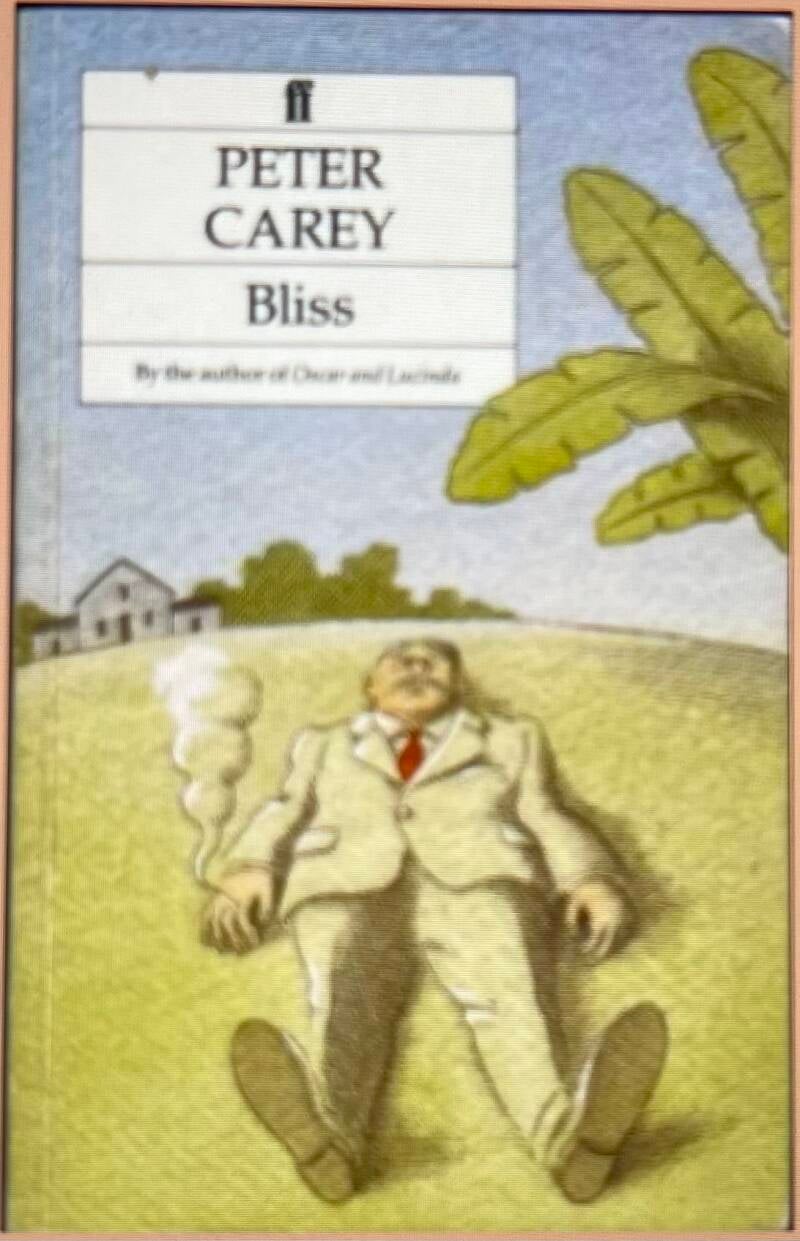
Not to be outdone by America, the Antipodes came up with it’s own selection of shrunken literary works…Michele Field’s 1980s Oz Shrink Lit turned the form towards home-grown Australian works of literature. Anyone familiar with Peter Carey’s darkly comic fable Bliss, an indictment of contemporary consumer society, or with the film of the novel, would recognise Field’s rhyming shrink lit take on the work:
Always selling, always nice,
Ad man Harry snuffs it twice,
Wakes to find he lives in Hell,
Now his wife does adverts well.
🍒 🍒 🍒
MMXXVI~originally pub. 13 May 2026

22 July 2026 4:28 am
Above: Rustic ”Ashvegas”, not a casino in sight (photo: Easy Big Trees)
20 July 2026 2:41 pm
⥢ Edmund C Bentley, eponymous inventor of the clerihew
MMXXVI: Published 13th May 2026, 9:12 pm.
19 May 2026 7:54 am
714 words
20 July 2026 10:12 am
⟸ Stalin, “godfather” of Central Asian autocracy
22 July 2026 4:28 am
Above: Rustic ”Ashvegas”, not a casino in sight (photo: Easy Big Trees)
20 July 2026 2:41 pm
⥢ Edmund C Bentley, eponymous inventor of the clerihew
20 July 2026 11:59 pm
Above: M. Petit, looking not at all dismayed at being arrested by the NYPD – ”all publi is…” (photo: Getty Images: Richard Corkery/NY Daily News Archive)
22 July 2026 4:28 am
Above: Rustic ”Ashvegas”, not a casino in sight (photo: Easy Big Trees)
20 July 2026 2:41 pm
⥢ Edmund C Bentley, eponymous inventor of the clerihew
21 July 2026 5:34 am
MMXXVI~originally published 10th June 2026
23 July 2026 10:46 am
MMXXVI~originally published 1st July 2026
22 July 2026 11:40 am
MMXXVI~originally published 28th June 2026
21 July 2026 1:03 pm
MMXXVI~originally published 15th June 2026
20 July 2026 10:12 am
⟸ Stalin, “godfather” of Central Asian autocracy
Mondo Blogo started as a personal passion project, driven by a desire to share intriguing stories beyond the mainstream. Our mission is to explore and present content that challenges perspectives and fosters deeper understanding, focusing on quality and unique insights.
21 July 2026 10:40 pm
Defacto ruler of Japan Hideyoshi ➲
13 May 2026 9:12 pm
23 July 2026 10:48 pm
Map: Baker Vail/historynet.com
"Mondo Blogo consistently delivers fascinating insights. Their articles on geopolitics are particularly well-researched and thought-provoking."
24 Oct 2026 10:33 pm
⇧ Italian Concession in Tianjin
18 Oct 2026 11:16 pm
Artist’s impression of post-greyhounds Wentworth Park (image: City of Sydney) ↓
13 Oct 2026 8:37 pm
Plant and Page, Led Zeppelin in concert, 1975 (photo: Laurance Ratner/Wireimage) ⍗
30 Sept 2026 10:39 pm
663 words
28 Sept 2026 10:20 pm
(above) Finnish machine gun crew and (R) captured Soviet tanks in 1939–40 Winter War
22 Sept 2026 10:13 pm
⇓ Europe, 1923 (GW Bacon map)
12 Sept 2026 10:55 pm
New Guardsman Francis de Groot, under arrest for illegally cutting the ribbon at the opening ceremony of the Sydney Harbour Bridge, preempting Premier Lang (1932) ⇩
7 Sept 2026 11:32 am
⬅︎ Gerardus Mercator
29 Aug 2026 6:49 pm
16 Aug 2026 9:45 pm
⍐ “Eyes down”: 1960s bingo “excitement” in Britain
4 Aug 2026 12:27 am
⇧ Howard Hughes, playboy aviator-turned-movie mogul (photo: Courtesy: LOC NYWTS Photograph Collection)
29 July 2026 5:39 am
Le Jockey Perdu, (early Magritte, 1926) ➲
[[Name]]
24 July 2026 3:09 pm
MMXXVI~originally published 8th July 2026
"I always look forward to new posts from Mondo Blogo. They have a knack for finding stories you won't read anywhere else."
[[Name]]
"Their content is incredibly diverse and engaging. I've learned so much from their articles on history and the arts."
[[Name]]
22 July 2026 11:40 am
MMXXVI~originally published 28th June 2026

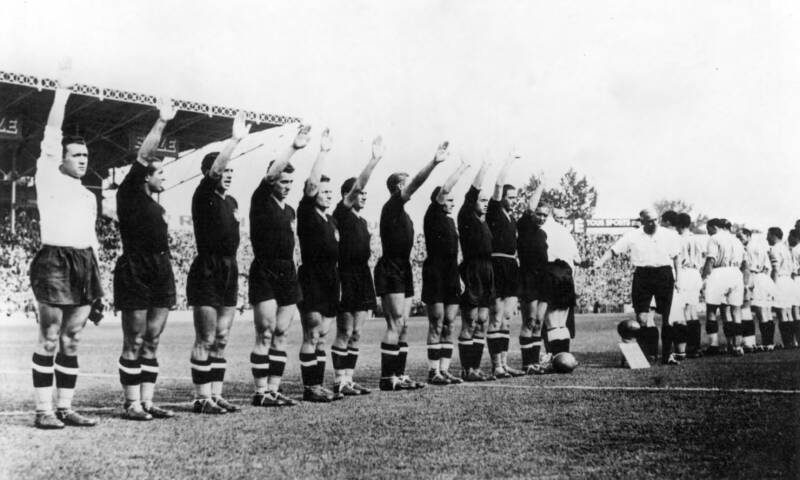
⇧ All-black Italian XI giving the fascist salute in the quarter-final (photo: Schirner Sportfoto/DPA/PA Images)
MMXXVI~originally published 12th July 2026
747 words
🏆 🏆 🏆
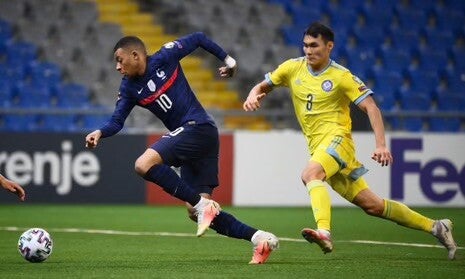
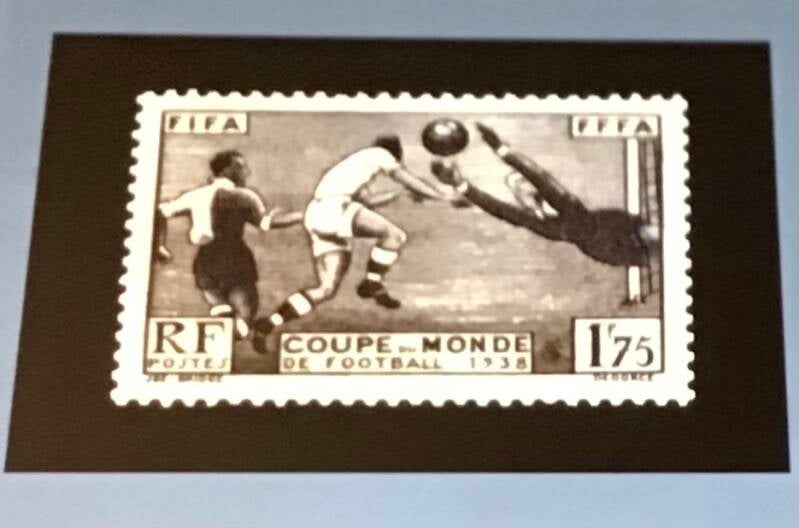
The world’s longest elite tournament on the sporting calendar, the men’s football World Cup, marches on, amid political interference, allegations of game-fixing and an endless loop of Maccas ads masquerading as “hydration breaks”. We are now on the cusp of the semi-finals with Les Bleus (France) firming as the team the others have to beat to claim the crown. Below, we’ll look back at another extraordinary world cup which also raised controversies for very different reasons in a very different time, the 1938 Cup, hosted by France.
The notoriety of the 1936 Olympic Games in Berlin—which Hitler and the Nazis regime shamelessly exploited as a propaganda tool to showcase the supposed supremacy of the Aryan race(sic)—ensured that the 1938 World Cup, just one year from the outbreak of world war, would continue the sporting pattern of political controversies and protests. Just as fascist Italy as hosts had blatantly used the 1934 World Cup for agitprop purposes, Italy and Nazi Germany again levered an ideological impact and flexed their muscles in the sporting arena (including a strong suspicion that Mussolini exerted an influence over results). Austria was prevented from entering its “Wunderteam" in the tournament due the country being absorbed into Nazi Germany following the Anschluss annexation that same year. The Italian side, defending champions, in the quarter-finals against France wore all-black uniforms to align with the Fascist Blackshirts, instead of their traditional white kit. They also performed the Roman fascist salute during games. Authoritarian Spain didn’t compete in France as it was enmeshed in a bitter civil war between its dictator Franco and the Spanish republicans. Japan withdrew after it escalated its war in Manchuria with China, and England was missing (again) as it was still not a FIFA member, having voluntarily left the world body in the late 1920s. Egypt refused to take part due to Ramadan. Meanwhile, the French hosts quietly sat tight and waited… “no World Cup has been less about the self-aggrandizement of the hosts and yet no World Cup has ever been so overtly political as the 1938 tournament” (‘How the Rise of Fascism Impacted the 1938 FIFA World Cup’, Jonathan Wilson, Literary Hub, 07 November 2025, www.lithub.com).
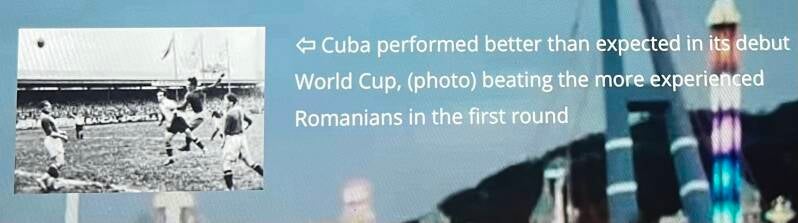
The 1938 Cup also provoked regional divisions in the world of association football. Outraged by FIFA’s decision to award the 1938 event to Europe for a second successive time, South American FAs led by Argentine and Uruguay boycotted the tournament, leaving only Brazil to represent South America. As a result, the tournament was the most Eurocentric to date, of the 15 teams who competed (down from 16 with Austria forced to withdraw late), only Brazil and two debut entries, Cuba and a mixed-ethnic squad of amateurs representing the colonial Dutch East Indies, were from outside Europe.
On the pitch the teams competed in a straight knockout format. Third Reich propaganda refashioned the German squad as “Greater Germany", forcibly including Austrian players. The result was disastrous for team harmony and bonding among the German and the Austrians and the side was eliminated at the first stage by the Swiss. Brazil and Poland met in the game of the tournament, an 11-goal feast (Brazil 6 – Poland 5) with Leônidas’ individual hat-trick for Brazil trumped by four goals by Polish striker Ernest Wilimowski.
The Battle of Bordeaux
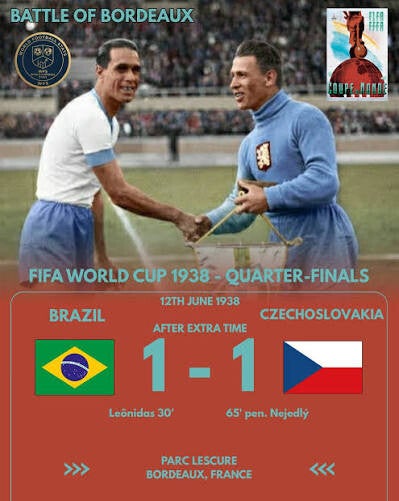
Brazil and Czechoslovakia locked horns in a quarter-final clash at Bordeaux that descended into one of the most brutal and violent matches in world cup history. Players from both sides dished out savage fouls on their opponents, a (then) record three red cards were issued, the referee lost control and a number of the players suffered severe injuries in the game. The score which seemed secondary at times to the “war” was 1 – 1 a.e.t. In the replay a few days later Brazil won 2 – 1.
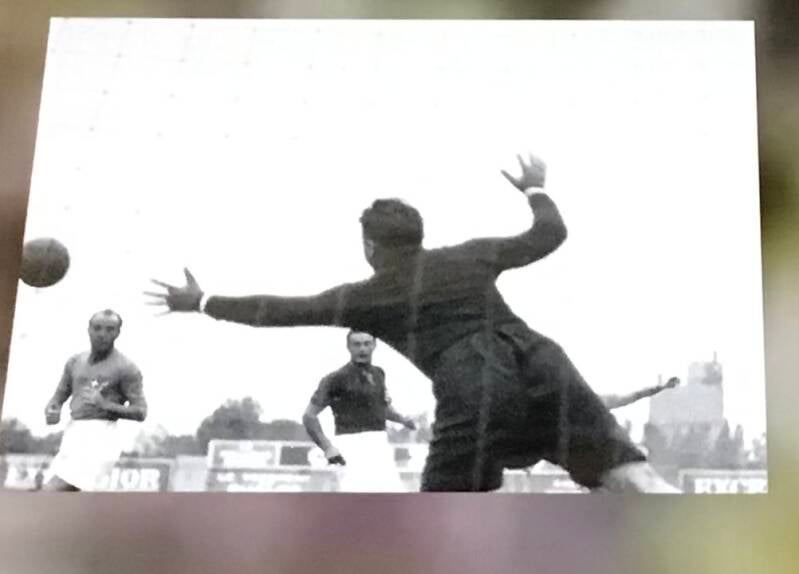
The highly-fancied Brazilians made a clanger of a tactical error in the semi-final by resting their ace centre-forward Leônidas (the cup’s top scorer and populariser of the bicycle kick), saving him for the anticipated final, only for the side to fail to win through to the decider. In the final at the Stade olympique de Colombes in Paris, the Italian side provided Mussolini with a surfeit of propaganda capital by defeating a talented Hungarian outfit 4 – 2.
08 July 2026
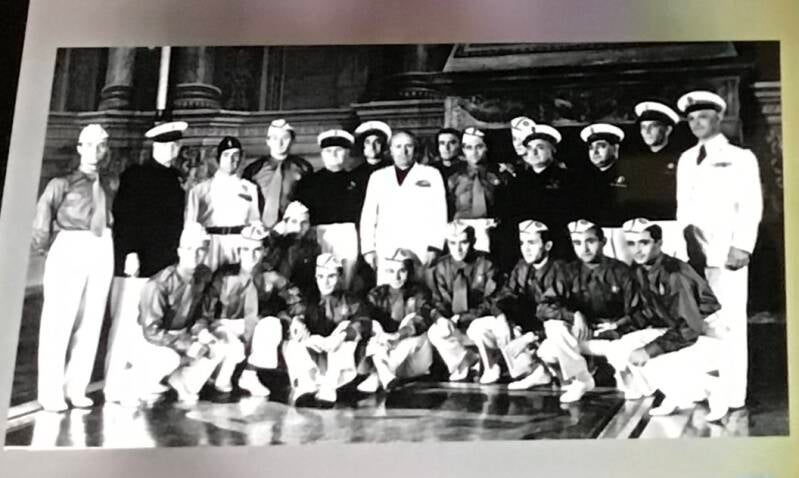
The 1938 World Cup champions were a pet propaganda vehicle for il Duce ⇧ (photo: Staff/AFP)
⇧ Italy finding the net against Hungary in the final
Participating nations in 1938: Austria, Belgium, Brazil (3rd), Cuba, Czechoslovakia, Dutch East Indies, France, Germany, Hungary (r-u), Italy (w), Netherlands, Norway, Poland, Romania, Sweden (4th), Switzerland.
29 July 2026 5:39 am
Le Jockey Perdu, (early Magritte, 1926) ➲
4 Aug 2026 12:27 am
⇧ Howard Hughes, playboy aviator-turned-movie mogul (photo: Courtesy: LOC NYWTS Photograph Collection)


Create Your Own Website With Webador