

⇑ source: https://casinowarrior.bandcamp.com/album/troll
1005 words
🇳🇴 🇸🇪 🇩🇰
Trolls have been an integral part of the Nordic landscape—both literally and in the Scandinavian imagination—for longer than anyone can recollect. They emerged from the nebulous haze of early Norse folklore to imprint themselves on Norwegian and Scandinavian society. The etymology of the word “troll” gives us one clue to the gravity of their essence…from Old Norse, meaning “giant” or “demon”, so in Scandinavian consciousness and culture they are unambiguously the ones wearing the black hats.
Troll physicality
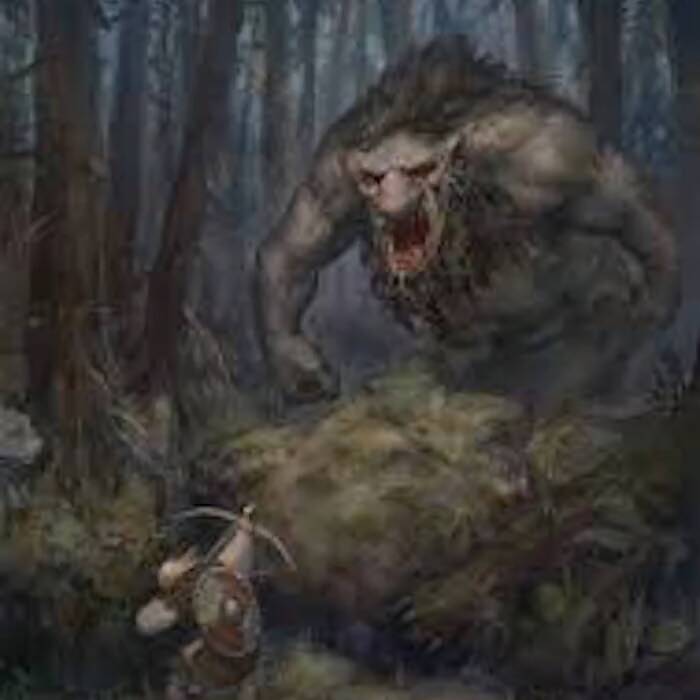
In the folkloric tales the physical appearance of trolls is described in unprepossessing terms, they are humanoid and very many appear as gigantic in stature (mythical giants from Norse folklore are known as jötnar (singular: jötunn), which equates with troll in modern Norwegian). This is misleading however as trolls can equally be of normal size and smaller – short and stubby and goblin-like. Often, trolls are hairy and have large noses, and rough stone-like skin, some are multi-headed and are Cyclops-like with a single eye.
Nordic nemesis
Traditionally, Scandinavians have given trolls a very bad press, they are the perennial bogey men of Nordic culture. On the whole they are seen as brutish, menacing monsters, not to be trusted – they dissemble and shape-shift, they can practice folk magic (trolldom). They are considered dim-witted, with the caveat that they can be clever in a cunning sort of way. Above all they are considered dangerous and unpredictable, it was believed that they abducted humans (bergtagning = “mountain–taking”) and ate them, as well as swapping babies for changelings. In medieval times trolls were associated with paganism and the religious chaos that preceded the universal acceptance of Christianity in Scandinavia. Today, in a far less superstitious age, virtually no one believes in the existence of trolls, Norwegians on the whole see them as figures from their folklore, folk tales and cultural heritage, and express an affection for these fictional and faux-supernatural creatures.
Trolls as symbols of untamed nature
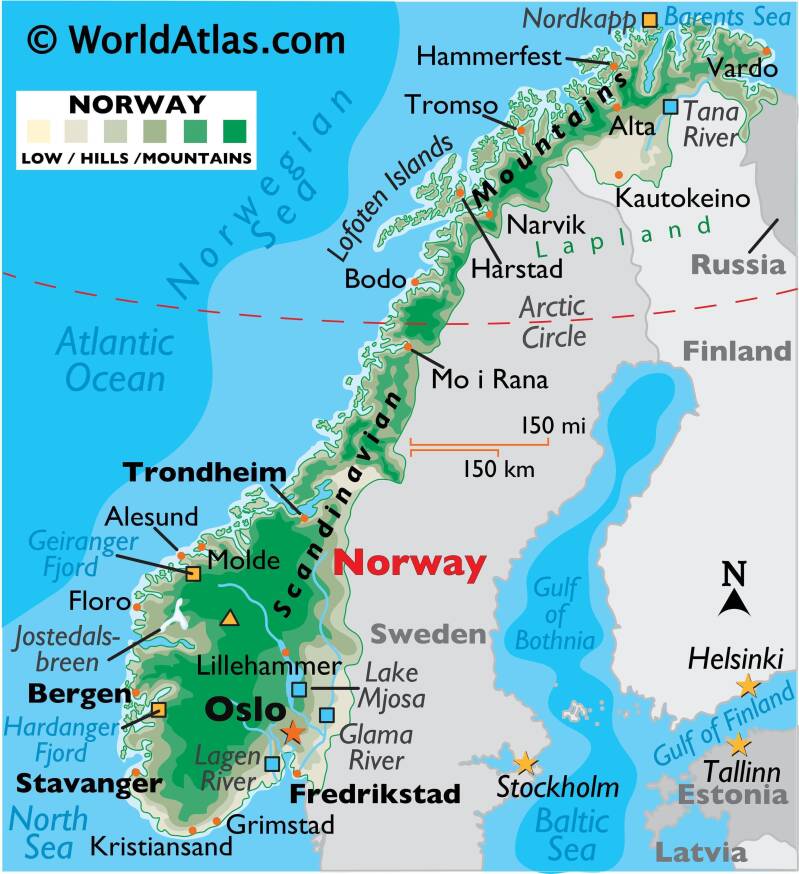
The wild, rugged landscape of Norway lends itself to analogy with trolls. The dramatic natural features of the land—towering mountains and cliffs, dense forests, dark caves, deep fjords, the wilderness and the ocean—were highly suggestive of trollesque forms to Scandinavians. The craggy geology, the misshapen boulders and rocks resemble petrified giants, requiring little imagination to conjure up the image of a troll. Because of this association with nature trolls were also seen as guardians of the land as the nomenclature of certain Norwegian physical landmarks attests, eg, Trolltunga (= “Troll’s tongue”), Trollstigen (= “Troll’s ladder”), Trollvegen (= “Troll’s wall”),
Antidote for trolls
For something so egregiously awful as trolls there had to be an antitoxin. The potency of trolls could be blunted by certain susceptibilities the dreaded creatures were prone to. Scandinavians were taught that trolls were afraid of daylight (exposure to same might turn them into stone or dust or just simply explode), they were also repelled by the sight of Christian iconography, the cross§, and the sound of church bells.
The negative connotations of “troll” ingrained in Nordic folklore has found a home in the jargon of the modern world of the internet, viz “trolling” (bad-mannered behaviour on the web). A “troll” in the digital realm is equally persona non grata as the villain of Norse folk tales (ie, someone who posts deliberately provocative, offensive or inflammatory comments on social media to get a reaction).
Codifying of troll lit and Ibsen
In the 19th century writers Abjørnsen and Moe collected and published many of the old Norwegian folk tales and legends, thus providing later generations of readers with many of the beloved classic troll stories, such as “Three Billygoats Gruff” and “The Giant Who Had No Heart in His Body”. Trolls have been a recurring reference point through modern literature. They were an inspiration for JRR Tolkien’s famous work of fantasy, The Hobbit. And of course trolls permeate the work of the greatest of Nordic literary exponents, playwright Henrik Ibsen. Ibsen in his plays, especially Peer Gynt and The Master Builder, repurposes the idea of “trollism” from the traditional physical monster to a psychological condition, a metaphor for “the hidden, destructive, or obsessive side of human nature”. His protagonists such as Peer Gynt behave like a troll, living false lives which adhere to a motto of “to thine own self be selfish”, rather than to the authentic motto of “to thine own self be true”.
Some types of trolls
Nøkken (“The Neck”) – this troll could take many forms including human, driftwood and even invisible. Its habit was to lure humans and animals into the water to drown. The telling of folk tales about the Neck may have been a kind of water safety message for children to stay away from dangerous bodies of water like lakes.
Huldra (“The Hulder”) – a female troll, a supernatural, seductive forest spirit. In Norse folklore the Huldra (meaning “hidden” or “secret”) tempts men with her captivating beauty and irresistibly alluring presence, but not always to doom – she may be dangerous or she may be compassionate to those who succumb to her charms.
Selling the beloved monster
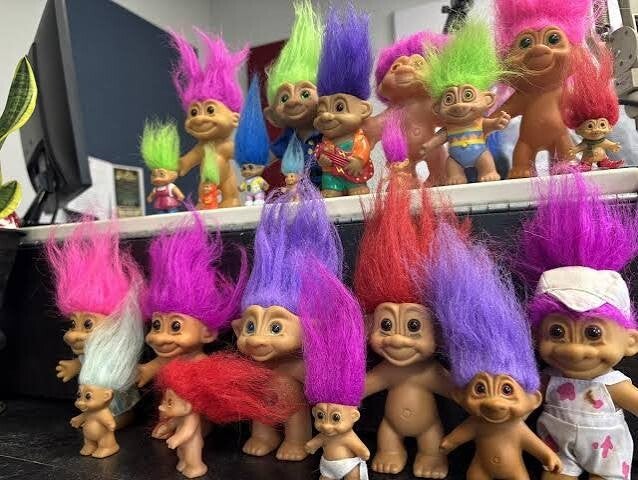
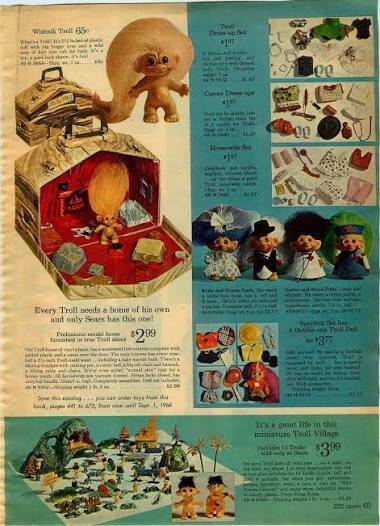
Today you can buy troll dolls with wild, electrified tuffs of purple, magenta or just about any neon colour hair, but the commercialisation of trolls begins with an impoverished Danish woodworker Thomas Dam who made the first wooden troll dolls in the 1950s. By the 1960s Dam’s “ugly but cute” trolls were being made from rubber and Icelandic sheepskin for their iconic hair, and proved an absolute bonanza of a seller particularly in the US.
Footnote: The troll might be considered as analogous to other mythic, wilderness-dwelling humanoids beyond the Nordic world, creatures of legend which are similarly elusive and frightening – such as the Sasquatch or “Bigfoot” in North America or the Himalayan Yeti or “Abominable Snowman”.
Postscript: Famous trolls in folklore include Grendel (from the epic poem Beowulf); Finn the Troll; The Bridge Troll; the Moomin Troll (the Moomins); Dovregubben (Peer Gynt’s “Mountain King”).
☚☛☚☛☚☛☚☚☛☛☛☚☛☚☛☚☚☛☛☚☛☚☛☚☛☛☚
§ these two Achilles heels are flaws they share with the equally fictitious Count Dracula
⇓ Troll Dolls: 1966 Sears catalogue
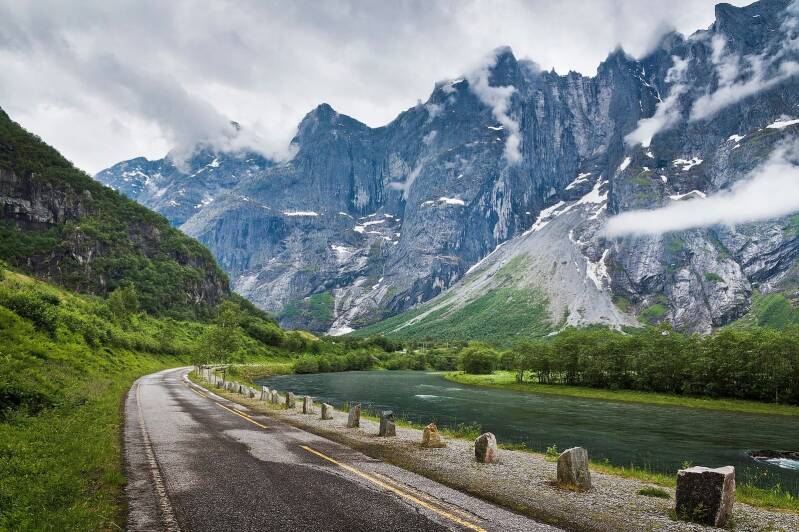
⇑ Troll Wall: on Norway’s scenic tourism route (source: Simo Räsänen/Ximonic)
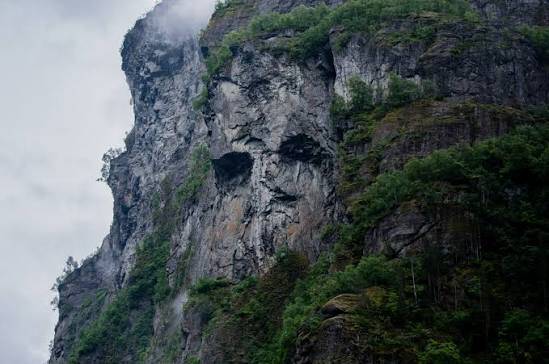
⇑ Trolls in the landscape (source: Stowaway Magazine)
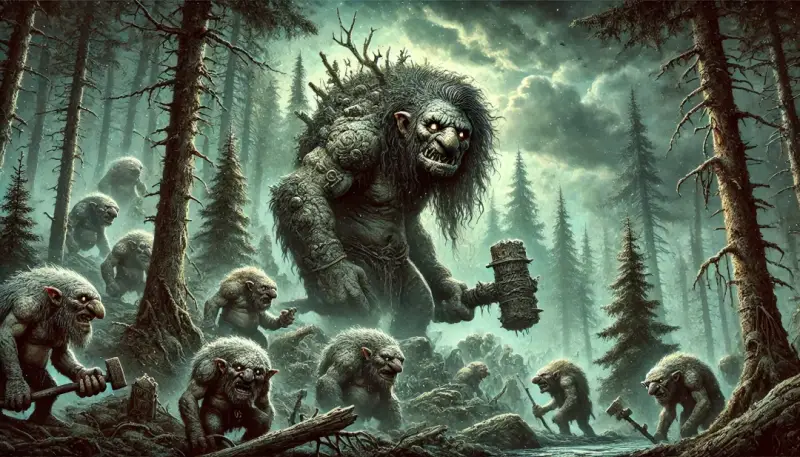
⇑ Trolls of Nordic folk tales: agents of destruction, chaos and disorder (image: wikingar.de)
Create Your Own Website With Webador